
PRAYAGRAJ
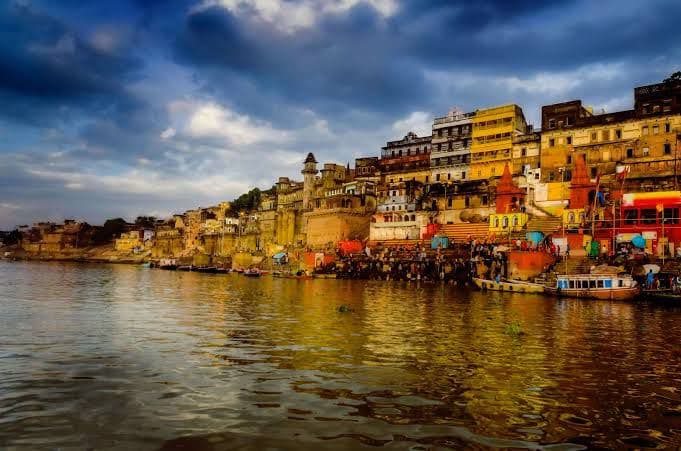
Prayagraj, located in southern Uttar Pradesh, India, is at the confluence of the Ganges and Yamuna rivers, around 65 miles (100 km) from Varanasi. This city is built on the ancient site of Prayag, a revered location comparable to Varanasi and Haridwar. Its significance dates back to the Buddhist era, evidenced by inscriptions on a pillar associated with the 3rd-century BCE Mauryan emperor Ashoka. This pillar, originally erected nearby, now stands at the entrance of the old Prayagraj fort.
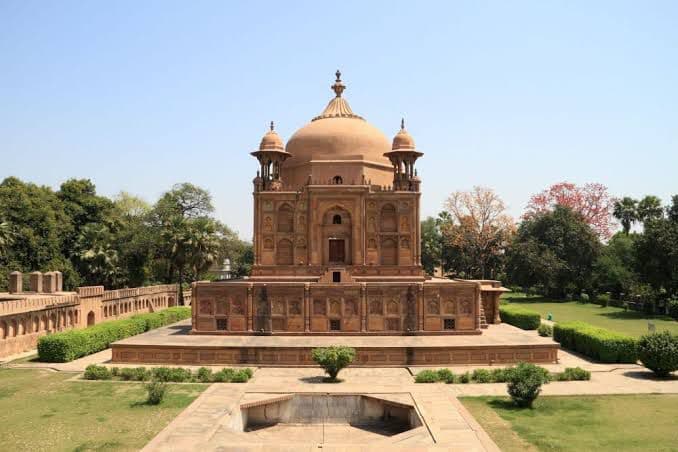
Founded in 1583 by Mughal emperor Akbar, who named it Allahabad ('City of God'), Prayagraj became a provincial capital and played a pivotal role during the Mughal Empire. The city was notably the headquarters of the rebellious prince Salim, later known as emperor Jahangir. The tomb of Khusru, Jahangir’s son, is located near the fort. Following the decline of the Mughal Empire, Prayagraj changed hands several times before being ceded to the British in 1801. It was a significant site during the Indian Mutiny of 1857 and served as the capital of the United Provinces until 1949. The city was also central to the Indian independence movement and was home to the Nehru family, with their estate, Anand Bhawan, now a museum.
In 2018, the Uttar Pradesh government officially changed the city’s name from Allahabad to Prayagraj, a decision that sparked controversy among residents and required approval from the central government, which was granted later that year.
The surrounding region is part of the Indo-Gangetic Plain, known for its agriculture, producing crops like rice, barley, wheat, and gram (chickpeas). Nearby ancient sites include Pratisthanpur (Hindu) and Kaushambi (Buddhist).
1 of 2